Dhahran – Asdaf News:
Throughout January, the King Abdulaziz Center for World Culture (Ithra) hosted Spain Cultural Days under the theme “Live Spain”, offering visitors a wide-ranging cultural program. The program brought together arts, knowledge, and everyday cultural practices, presenting Spanish culture through exhibitions, performances, cinema, workshops, and food experiences. The program welcomed around three hundred thousand visitors.
Strong Public Presence
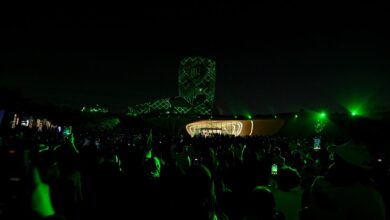
Visitors moved across Ithra’s spaces, from the Plaza and outdoor gardens to the Theater, Museum, and Cinema. Activities unfolded across the Center as connected parts of a single experience, allowing audiences to shift between viewing, listening, and hands-on participation.
Visual Arts
Spanish visual culture was presented through a number of exhibitions that offered different perspectives on history, identity, and creative expression.
The exhibition Legends in Action examined the development of sport in Spain since the Barcelona 1992 Olympics, highlighting key moments that shaped sport as a shared cultural language. The exhibition included selected memorabilia such as jerseys, footwear, trophies, and sporting equipment associated with major Spanish clubs, including Real Madrid and Barcelona.
Threads of España: Fashion Across the Regions explored Spain’s geographic and cultural diversity through clothing, showing how regional identities have shaped dress over time and how these influences continue to appear in contemporary fashion and design.
Live Theatre and Performance
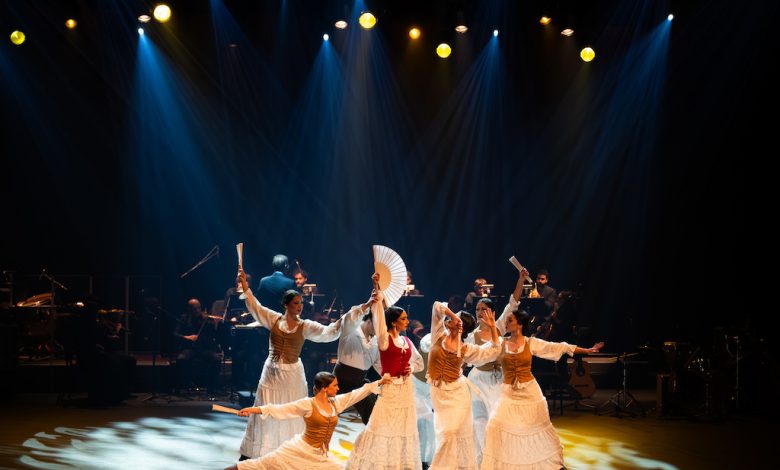
On stage, live performances presented flamenco as a central element of Spanish performing arts. Musical and theatrical works focused on rhythm, movement, and live music as forms of expression rooted in Spanish cultural memory.
Among the featured productions was Carmen: A Spanish Flamenco Experience, which presented the classical work through a contemporary performance format that combined live music and movement.
Sensory Experiences
Participation extended beyond the stage and galleries. The Rhythm of Flamenco introduced visitors to the structure of flamenco through clapping, footwork, and rhythm, including the role of the cajón. These sessions offered a practical introduction to flamenco as a system of movement and sound rather than a performance alone.
Cinema programming featured a selection of Spanish films, including La Cabina and Visit to Picasso, presenting visual narratives connected to Spanish society and artistic history.
In Ithra’s gardens, food experiences introduced visitors to Spanish cuisine, with cooking activities centered on traditional dishes such as paella. These experiences took place in outdoor settings accompanied by live music, bringing together food, sound, and the setting.
Cultural Reflections
Through the combination of visual arts, live performance, cinema, workshops, and food, Spain Cultural Days presented a cultural program built around experience and participation. The program offered visitors multiple ways to engage with Spanish culture and highlighted how artistic expression and everyday practices come together within a shared cultural setting.